"Is Sri Lanka safe for tourists?" It's the question that comes up in every travel forum, every Reddit thread, and every conversation with friends when you mention you're planning a trip to this island nation. And it's a fair question — Sri Lanka has been through some difficult periods, and media headlines don't always capture the full picture.
Here's the short answer: yes, Sri Lanka is safe for tourists in 2026. The country has recovered strongly from the 2022 economic crisis, tourism infrastructure is functioning well, and Sri Lanka remains one of the safest countries in South Asia for travellers. Crime against tourists is remarkably rare, the local population is famously welcoming, and the biggest "dangers" most visitors face are sunburn, spicy food, and the temptation to extend their trip.
But a one-word answer isn't enough when you're planning a trip. This guide addresses every specific safety concern travellers raise — from the economic recovery to solo female travel, from wildlife encounters to road safety — with practical, honest advice from people who live here and work with international visitors every day.
Sri Lanka's Recovery: Where Things Stand in 2026
Sri Lanka experienced a severe economic crisis in 2022, with fuel shortages, power cuts, and political unrest that dominated international news. It was a genuinely difficult period for the country. Here's what's changed since then:
The economy has stabilised. Fuel is readily available, power cuts are rare, and the Sri Lankan rupee has found a more stable level. An IMF programme is in place, and the tourism sector — one of the country's most important revenue sources — has bounced back significantly.
Tourist infrastructure is fully operational. Hotels, guesthouses, restaurants, domestic flights, trains, and bus services are running normally. Petrol stations have fuel. ATMs dispense cash. Supermarkets are stocked. The experience of being a tourist in Sri Lanka in 2026 is not materially different from what it was in 2019, before the pandemic.
Tourism numbers are climbing. Sri Lanka welcomed over 1.5 million tourists in 2024 and the numbers continue to grow. The country consistently appears on "best destinations" lists from publications like Lonely Planet, Condé Nast Traveller, and Travel + Leisure.
Crime and Personal Safety
Sri Lanka has one of the lowest violent crime rates in South Asia. Petty theft exists, as it does everywhere, but violent crime against tourists is extremely uncommon.
General precautions that apply anywhere in the world:
- Keep valuables secure and don't flash expensive electronics unnecessarily
- Use hotel safes for passports and large amounts of cash
- Be aware of your surroundings in crowded markets and bus stations
- Don't leave bags unattended on beaches
Common scams to watch for:
- Overcharging in tuk-tuks — Always agree on a price before getting in, or insist on the meter. In tourist areas like Colombo and Kandy, drivers sometimes quote inflated prices to foreigners.
- "My friend's shop" tours — Some tuk-tuk drivers offer free or cheap city tours that conveniently end at gem shops or spice gardens where they earn commission. It's not dangerous, just annoying. Politely decline.
- Unofficial guides at temple sites — At popular sites like Sigiriya or the Temple of the Tooth in Kandy, unofficial guides may approach offering tours. They're generally harmless but may expect a large tip. Official guides have identification cards.
The reality: Most travellers report that Sri Lankans are among the friendliest people they've encountered anywhere. Genuine offers of help, directions, and conversation are far more common than scams. When in doubt about safety in a specific area, ask your accommodation host — they'll always give you honest local advice.
Solo Female Travel in Sri Lanka
Sri Lanka is generally safe for solo female travellers, but it's important to be honest about the nuances. Most solo women report overwhelmingly positive experiences, with locals going out of their way to be helpful and protective. However, some women experience unwanted attention, particularly in less touristed areas.
Practical tips for solo female travellers:
- Dress modestly when visiting temples and rural areas. Covering shoulders and knees is respectful and reduces unwanted attention.
- The south and east coast beach towns (Mirissa, Hiriketiya, Arugam Bay) have well-established backpacker scenes and are very comfortable for solo women.
- Ella and the hill country feel particularly safe — small-town vibe with a strong tourist community.
- Use registered taxis or ride-hailing apps rather than flagging down random vehicles at night.
- Trust your instincts. If a situation feels uncomfortable, walk away. Most Sri Lankans will support you.
- Joining guided tours for activities like safaris and hiking adds a layer of security and also a social element. Our Ella Adventures and Yala safaris regularly include solo travellers.
LGBTQ+ Travel Considerations
Sri Lanka's legal framework on LGBTQ+ rights is behind many Western countries — same-sex relations technically remain illegal under colonial-era laws, though prosecutions are effectively non-existent. In practice, the tourism industry in Sri Lanka is welcoming to all visitors regardless of orientation.
That said, public displays of affection between same-sex couples may draw stares, particularly in rural areas. In beach towns like Arugam Bay and Mirissa, and in Colombo's cosmopolitan neighborhoods, attitudes are considerably more relaxed.
LGBTQ+ travellers generally report positive experiences in Sri Lanka. Discretion in public is advisable, as it is in much of South and Southeast Asia.
Health and Medical Safety
Sri Lanka has a reasonable healthcare system with both public and private hospitals. Major cities like Colombo, Kandy, and Galle have modern private hospitals with English-speaking staff. In rural areas, facilities are more basic.
Key health considerations:
- Mosquito-borne illness — Dengue fever exists in Sri Lanka, particularly during and after rainy seasons. Use insect repellent (DEET-based), sleep under mosquito nets where provided, and wear long sleeves at dawn and dusk. Malaria has been effectively eliminated.
- Food and water — Tap water is not safe to drink. Stick to bottled or filtered water. Street food is generally fine if it's freshly cooked and served hot. Avoid raw salads from roadside stalls.
- Sun exposure — Sri Lanka sits close to the equator. Sunburn happens fast, even on overcast days. SPF 50, a hat, and staying hydrated are essential.
- Vaccinations — Check our detailed Sri Lanka vaccination guide for current recommendations. Most travellers need routine vaccinations plus Hepatitis A and Typhoid.
For more on health preparation, see our practical basics guide.
Road Safety
This is probably the area where Sri Lanka scores lowest on the safety scale. Driving standards are different from what most Western visitors are used to:
- Roads are often narrow and winding, especially in the hill country around Ella
- Overtaking on blind corners happens regularly
- Buses drive fast and aggressively
- Tuk-tuks are everywhere and unpredictable
- Stray dogs, cows, and occasionally elephants share the road
Our recommendation: Don't drive yourself unless you're experienced with South Asian road conditions. Hire a driver or use a tour operator for long distances. For short trips, tuk-tuks are fine and part of the experience — just hold on.
The Sri Lanka train network is one of the safest and most scenic ways to travel. The Kandy-to-Ella train is legendary. Buses are cheap but can be hairy — sit near the front for a smoother ride.
Wildlife Safety
If you're doing safaris in Yala, Bundala, or other national parks, wildlife safety is managed by your guide and park rangers. The key rules:
- Stay in the vehicle at all times during safaris. No exceptions.
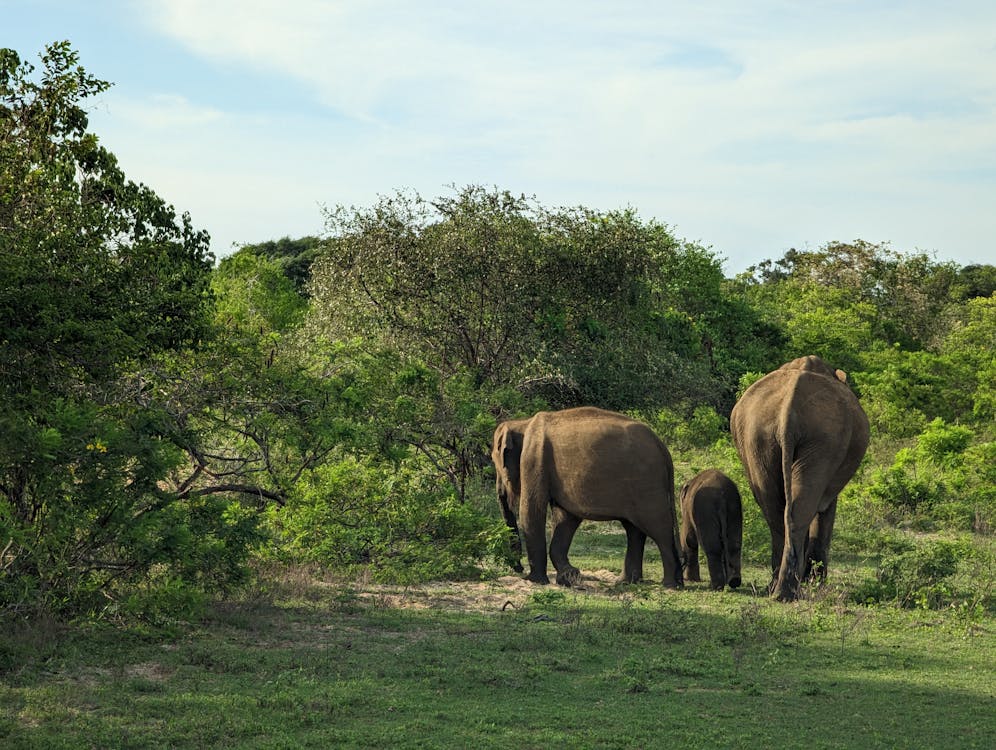
- Elephants have right of way. If you encounter a wild elephant on a road, keep your distance (at least 30 metres) and don't block their path.
- Crocodiles are present in rivers and lagoons across the southern lowlands. Don't swim in fresh water unless locals confirm it's safe.
- Snakes exist but encounters are rare. Watch where you step on jungle hikes. Wear closed-toe shoes.
- Monkeys at temple sites can be aggressive if they see food. Secure your belongings and don't feed them.
Guided wildlife experiences are always safer than going it alone. Our guides know animal behaviour and keep you at safe distances while maximising your viewing experience.
Natural Disaster Risks
- Monsoons — Sri Lanka has two monsoon seasons affecting different coasts at different times. This means rain, but rarely dangerous conditions. Check our best time to visit guide for seasonal advice.
- Flooding — Can occur during heavy monsoon rains, particularly in low-lying areas. Rarely affects tourist areas directly.
- Tsunamis — The 2004 Indian Ocean tsunami devastated parts of Sri Lanka's coast. Since then, early warning systems have been installed across the island. Hotels in coastal areas have evacuation procedures.
- Earthquakes — Sri Lanka sits on a stable tectonic plate and earthquakes are extremely rare.
Travelling From Australia to Sri Lanka
For Australian travellers specifically, Sri Lanka is an increasingly popular destination. Direct flights from Melbourne and Sydney are available, and the time zone difference is manageable (Sri Lanka is 4.5–5.5 hours behind Australia depending on daylight saving).
Practical notes for Australians:
- Visa is required but easily obtained online (ETA — Electronic Travel Authorization) before departure
- Australian health insurance may not cover you overseas — get dedicated travel insurance
- Power outlets are Type D and Type G — bring a universal adapter
- The Australian dollar goes far in Sri Lanka. Budget travellers can live well on $50–80 AUD per day.
For a complete travel preparation checklist, see our guide on travelling to Sri Lanka from Australia.
The Bottom Line: Should You Visit Sri Lanka?
Sri Lanka is not just safe — it's one of the most rewarding destinations in Asia. The combination of ancient culture, diverse wildlife, stunning landscapes, world-class food, and genuinely warm people is hard to match anywhere.
The concerns that made headlines in 2022 have largely resolved. The country is eager to welcome visitors, tourism infrastructure is solid, and the value for money is exceptional.
If safety is your primary concern, consider travelling with a local guide or tour operator — not because it's unsafe without one, but because local knowledge enhances every aspect of your experience. You'll know where to eat, how to navigate, when to visit, and which experiences are worth your time.
Explore our guided experiences across Ella, Yala, Arugam Bay, and Bundala →
TravelersMate is based in southern Sri Lanka's Buttala region, operating guided tours across the country's most rewarding destinations. We work with international travellers every day and are always happy to answer specific safety questions about your planned route. Get in touch →